


.png)
Not Everyone Who Cooks Is a Chef. Here is the Difference
Updated: 3 days ago
Quick summary:
Many people offer private dinners, but not all of them have professional culinary training. At Private Chef Costa Rica, we've been doing this since 2012. Professional experience means understanding technique, ingredients, and how to prepare consistent meals for different groups.
1. Cooking Well and Cooking Professionally Are Different
Yes, everyone knows how to cook something. A breakfast, a pasta dish. Everyone has a go to recipe that turns out well. But being a professional Chef is a career, a discipline, and a responsibility.
One clear difference is consistency of flavor. Professional experience helps a chef achieve flavor that is balanced, well-textured, and precise from one dish to the next.
That kind of consistency doesn't happen by chance; it comes from training and experience over time.
Professional culinary experience can include:
Studies culinary techniques for years
Trains their palate to achieve consistent, balanced flavor using contrasts, textures, sauces, and harmony
Develops knowledge of different cuisines, ingredients, timing, and cooking methods
Knows how to create from scratch: stocks, sauces, reductions, dressings, marinades, fermentations, baking, searing, etc.
Builds experience preparing meals consistently for different groups and settings
Applies culinary technique consistently throughout preparation and service
Training and experience give a chef a wider set of techniques and a trained palate to draw on, which tends to show in the finished meal.
2. What You May Notice in a Professionally Prepared Meal
There are a few things many guests notice in a well-prepared meal.
In a professionally prepared meal, you may notice:
Balanced flavor
Precise doneness
Proper technique
Thoughtful plating
And most of all: a complete experience
These are the kinds of details that stand out in a professionally prepared meal.
At Private Chef Costa Rica, we pay attention to these details, because they're part of what makes a meal feel well prepared.
3. A Chef cooks with identity, technique, and purpose
What sets a professional chef apart is not just cooking well, but cooking with intention and delivering a complete experience for the guest.
Experience helps a chef make informed adjustments while keeping technique and consistency:
They build layers of flavor
They balance acidity, sweetness, umami, bitterness, and salt
They understand texture, temperature contrast, plating, and visual harmony
They use tools like ovens, grills, sous vide, planchas or woks with a purpose.
These skills help a professional chef make thoughtful decisions throughout preparation while maintaining consistency from one dish to the next.
4. Food safety isn’t optional
Food handling is another part of professional cooking, especially when guests have allergies or specific dietary needs.
A Professional Chef is trained in proper food handling, sanitation, storage, and risk prevention:
They follow practices to reduce cross-contamination
They understand major allergens like gluten, nuts, shellfish, and dairy
They know how to adapt for celiac clients, food intolerances, or allergies
They pay attention to temperature, tools, surfaces, and sanitation practices
Careful food handling matters, especially for guests with allergies or specific dietary needs. Training in sanitation and safe preparation helps reduce the risk of mistakes, which is one reason it's worth knowing about the background and experience of whoever prepares your meals.
5. Presentation and Flavor Both Matter
Presentation is part of the experience, but the food itself matters just as much.
A nicely set table adds to the evening, and so do the taste, texture, and preparation of each dish.
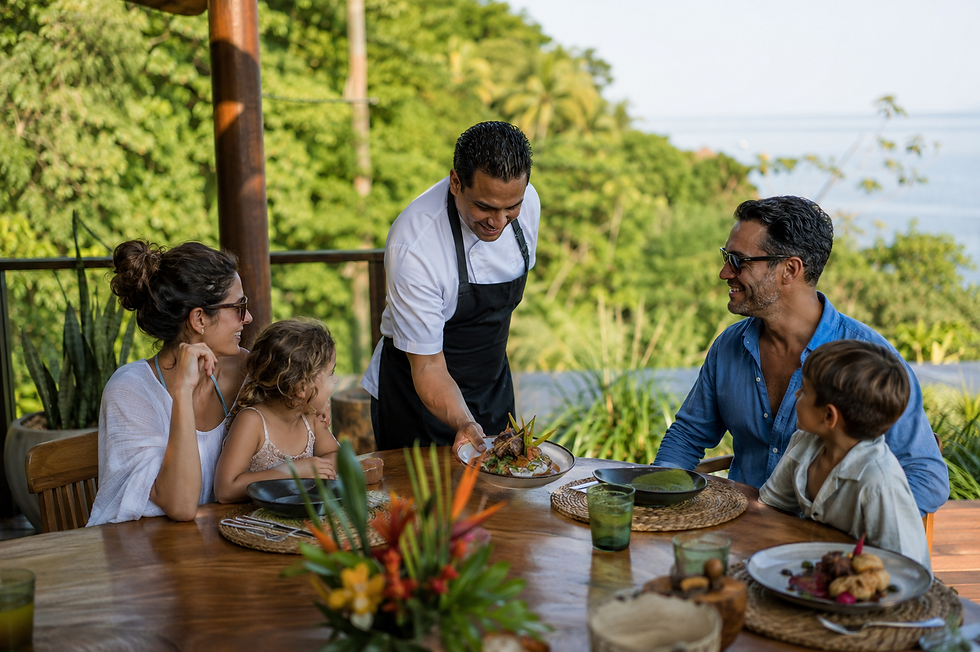
Private dining brings both together: food that's carefully prepared and served in a comfortable setting.
At Private Chef Costa Rica, we pay attention to presentation, and we're glad when guests enjoy sharing the moment — while keeping the focus on flavor, preparation, and service.
6. It's Fine to Ask About a Chef's Background
When you're choosing someone to cook during your stay, it's reasonable to ask about their culinary background and professional experience. It helps you know what to expect from the meals.
7. What to Consider When Choosing a Professional Chef
Ask yourself these questions before booking:
Do they have formal training or professional culinary experience?
Do they understand allergens and safe food handling?
Are they offering a well-balanced menu with technique and variety?
Can they plan a menu around your group's preferences and dietary requirements communicated in advance?
These questions can help you understand a chef's professional background and whether the service fits your group.
8. Private Chef Costa Rica Since 2012
Since 2012, we've focused on private dining in Costa Rica, adapting menus to different dietary needs and preferences. It's the service we specialize in.
Planning a Private Chef Service in Costa Rica?
At Private Chef Costa Rica we offer:
Professional private cooking, personalized menus, and attention to dietary requirements communicated in advance.
Contact us today to plan a private dinner during your stay.


Comments